What Is Forest Bathing (Shinrin-Yoku)? A Beginner’s Guide
Modern life often feels like a series of tabs left open in the mind. Between the constant pull of notifications, the pressure of a commute, and the mental load of daily responsibilities, our nervous systems rarely find a moment of true quiet. You might feel this as a low-level buzz of anxiety, a sense of being “always on,” or a persistent mental fatigue that a night of sleep doesn’t quite fix.
This feeling of disconnection isn’t a personal failing; it is a natural response to a world designed for speed. When we spend the majority of our time indoors and on screens, we lose touch with the sensory rhythms that human beings evolved to thrive in.
Forest bathing is a gentle way to return to those rhythms. It is not a workout, a hike, or a scientific study. It is simply a practice of being present in nature.
Understanding Shinrin-Yoku
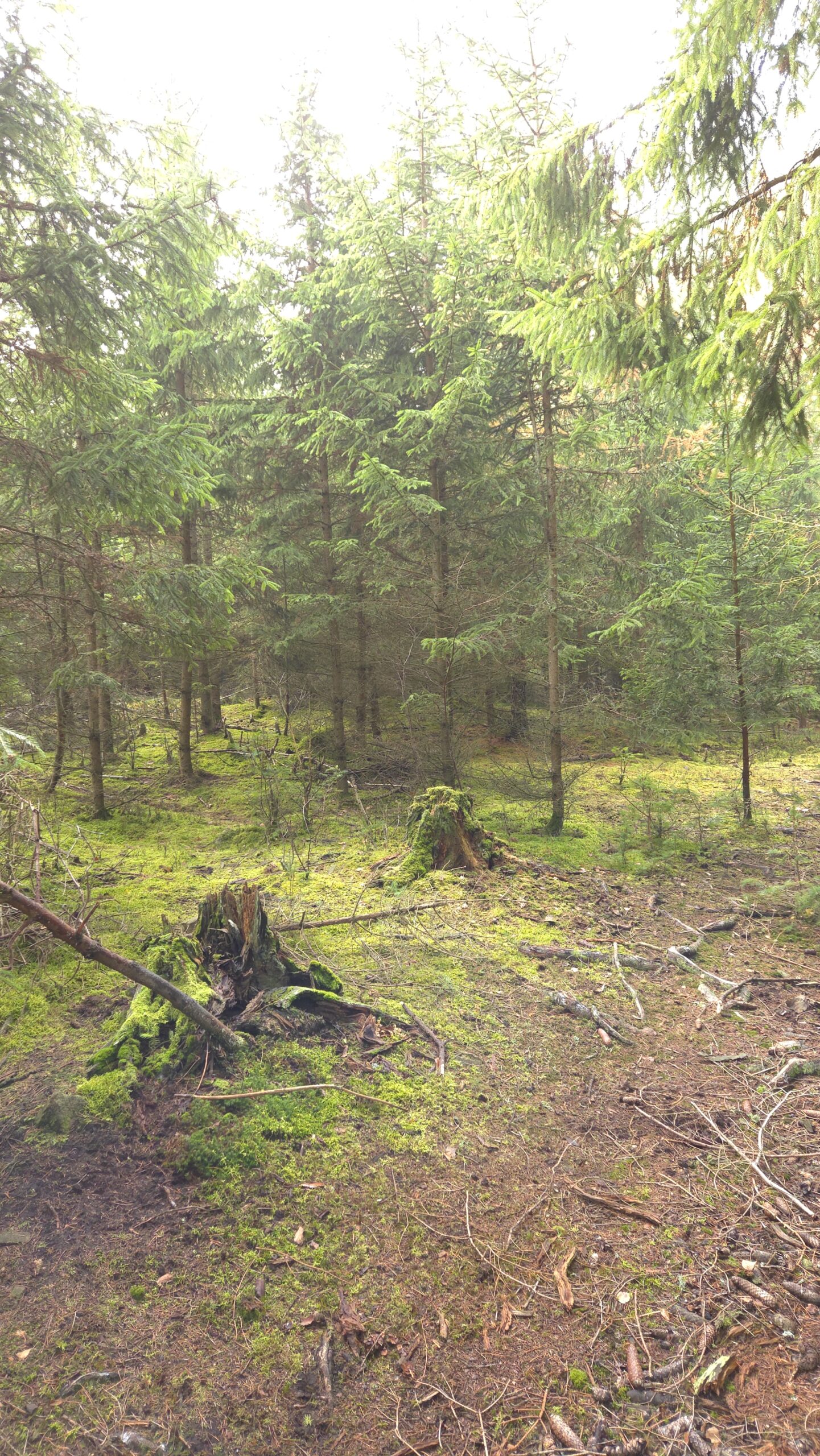
The term Shinrin-yoku originated in Japan in the 1980s. Translated literally, it means “forest bathing”—but there is no water involved. Instead, you are “bathing” your senses in the atmosphere of the woods.
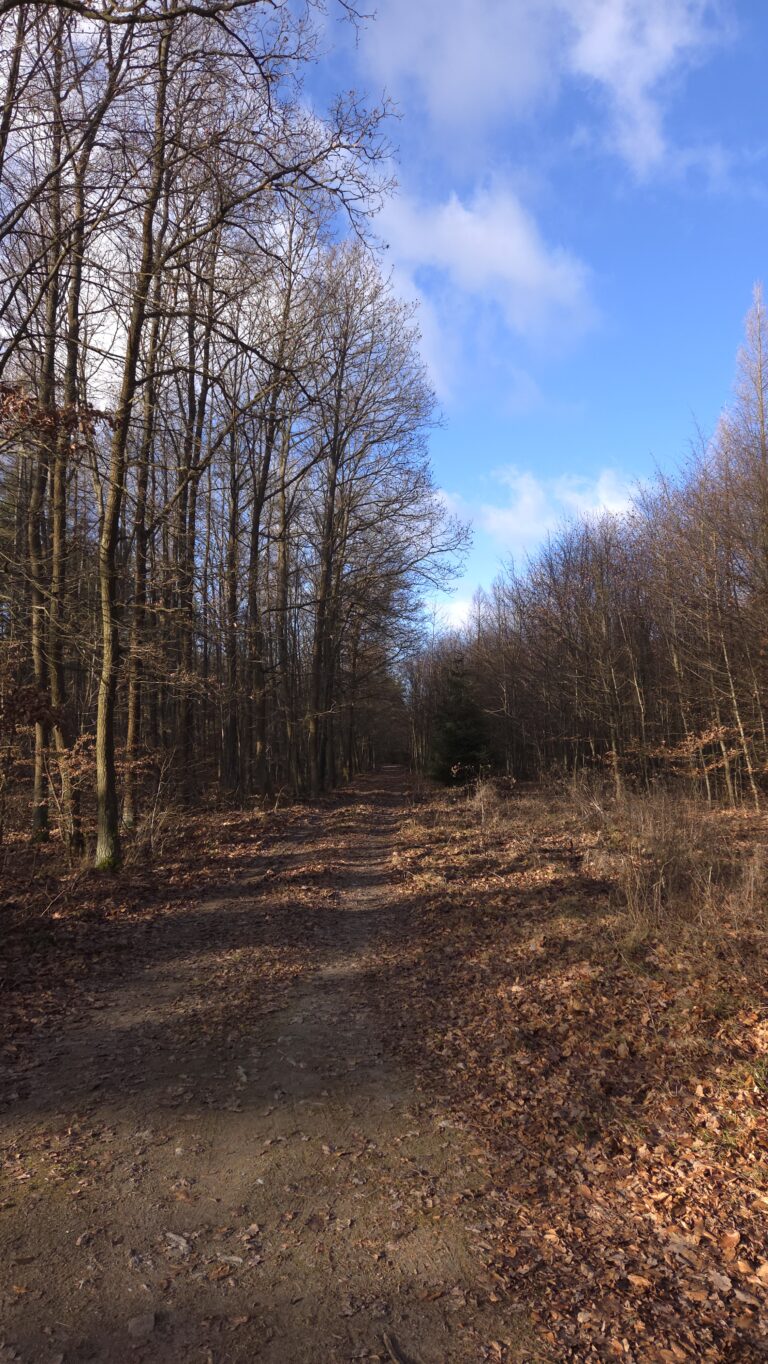
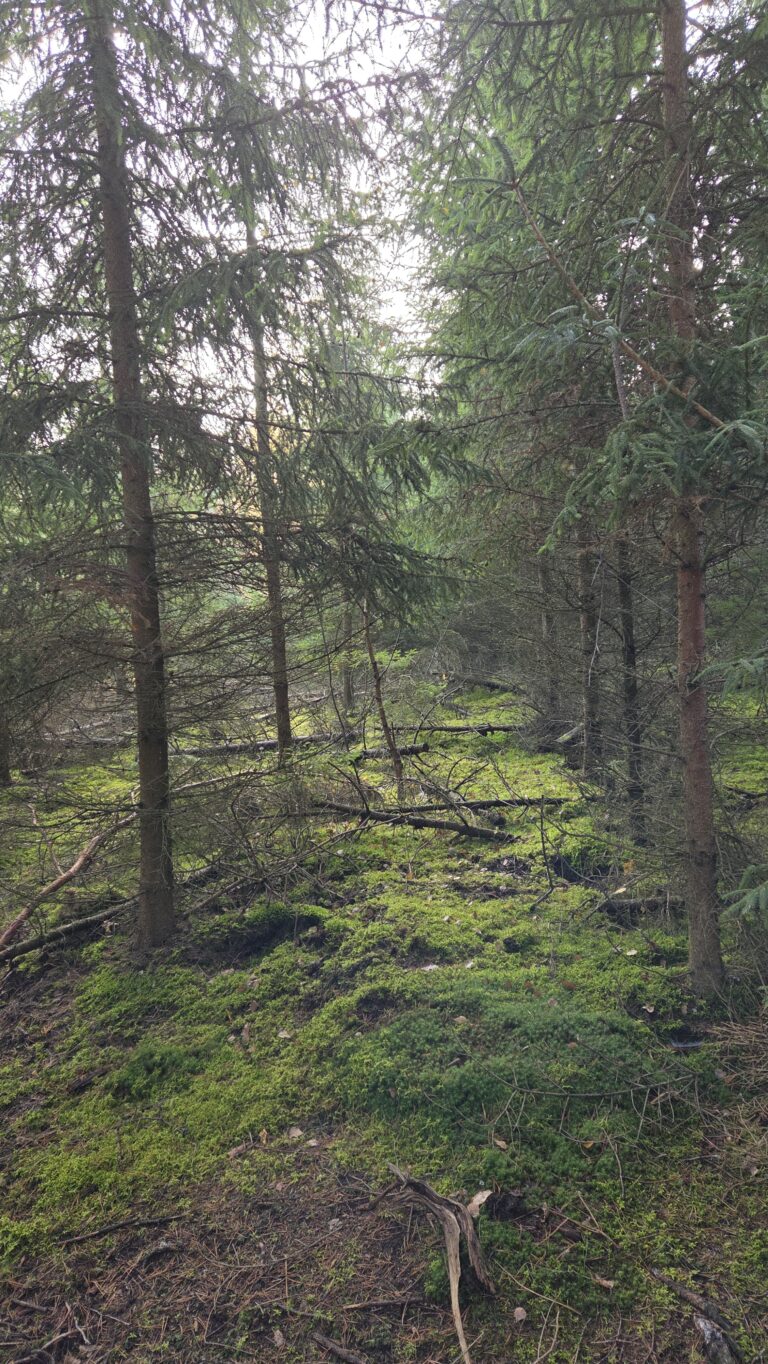
At its core, forest bathing is the practice of spending time in a wooded area and intentionally engaging your senses to connect with your surroundings. While the name was coined relatively recently, the practice is as old as humanity itself. It is the act of slowing down enough to notice the way light filters through leaves or the specific scent of damp earth after rain.
Unlike a typical hike, where the goal might be to reach a summit or hit a certain step count, forest bathing has no destination. It is a process of “being” rather than “doing.”
While it may sound simple, there is significant physiological grounding for why it feels so restorative. Trees emit organic compounds called phytoncides, which are part of their immune system. When we breathe these in, our bodies respond by lowering cortisol (the stress hormone) and activating the parasympathetic nervous system—the part of us responsible for “rest and digest.”
Why Forest Bathing Matters Today
In a world that demands our constant attention, forest bathing offers a rare opportunity for “soft fascination.” This is a psychological state where your mind is engaged but not taxed, allowing your cognitive resources to recover.
The benefits of a regular practice are grounded and practical:
- Regulating the Nervous System: By stepping away from artificial lights and digital sounds, your heart rate slows and your blood pressure tends to stabilize. It signals to your brain that you are safe.
- Restoring Mental Clarity: We often suffer from “directed attention fatigue” caused by intense focus on screens. The varied, natural patterns of the forest allow the mind to drift and reset, often leading to better problem-solving and creativity later on.
- Emotional Grounding: Nature provides a sense of scale. Being among trees that have stood for decades or centuries can help put daily stressors into a different perspective, fostering a sense of calm resilience.
- Sensory Reawakening: We spend much of our day using only our eyes and ears (and usually at a close range). Forest bathing reintroduces the textures of bark, the taste of the air, and the subtle shifts in temperature on our skin.
How to Practice: A Step-by-Step Guide
The beauty of forest bathing is its accessibility. You do not need special equipment, a high fitness level, or a remote wilderness. A local park with a cluster of trees is a perfect place to start.
1. Leave the Distractions Behind
The first step is a digital boundary. If possible, leave your phone in the car or turn it off and tuck it deep in your bag. The goal is to be unreachable for a short window of time. This signals to your brain that for the next hour, there is nothing more important than where you are.
2. Slow Your Pace
Once you enter the wooded area, move at a pace that feels almost unnaturally slow. This isn’t a power walk. If you find yourself hurrying, stop. Stand still for a moment. Notice the weight of your feet on the ground.
3. Engage Your Five Senses
This is the heart of the practice. Spend a few minutes focusing on each sense individually:
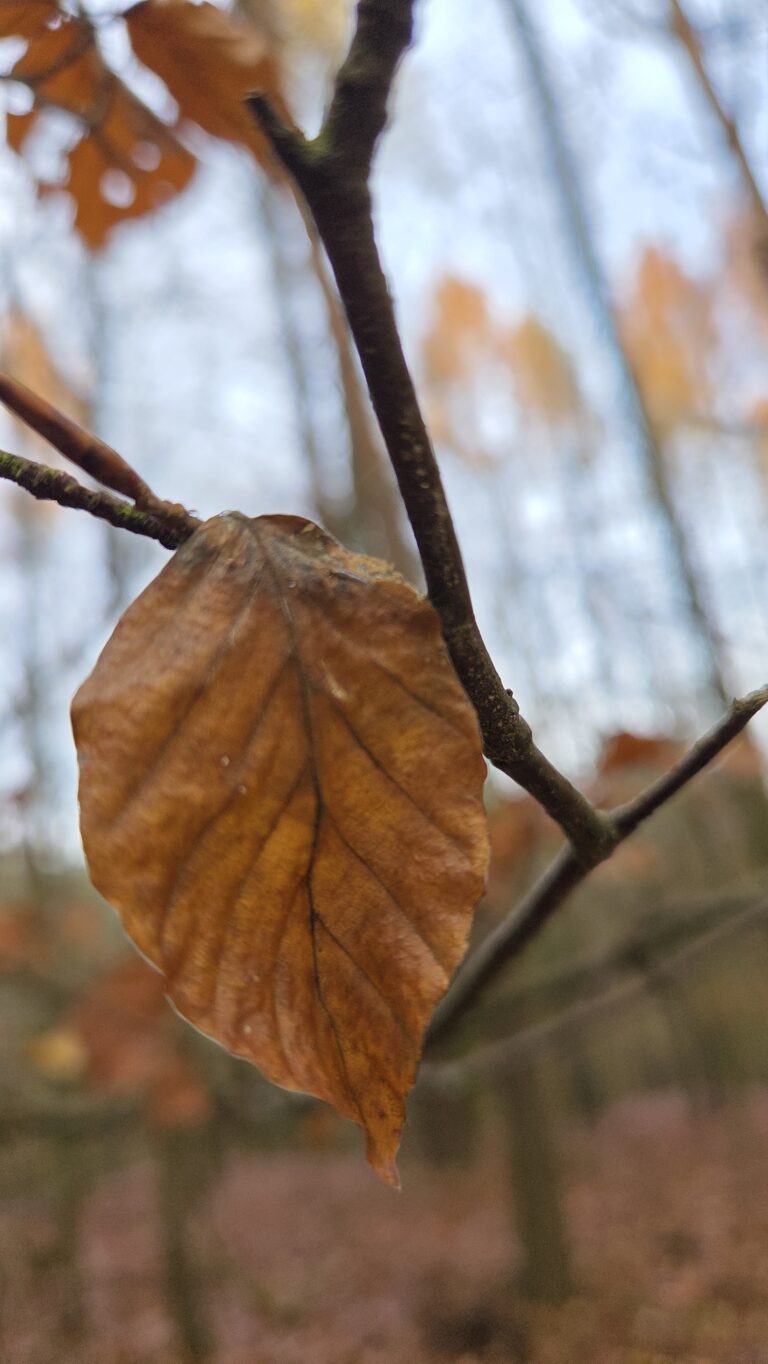
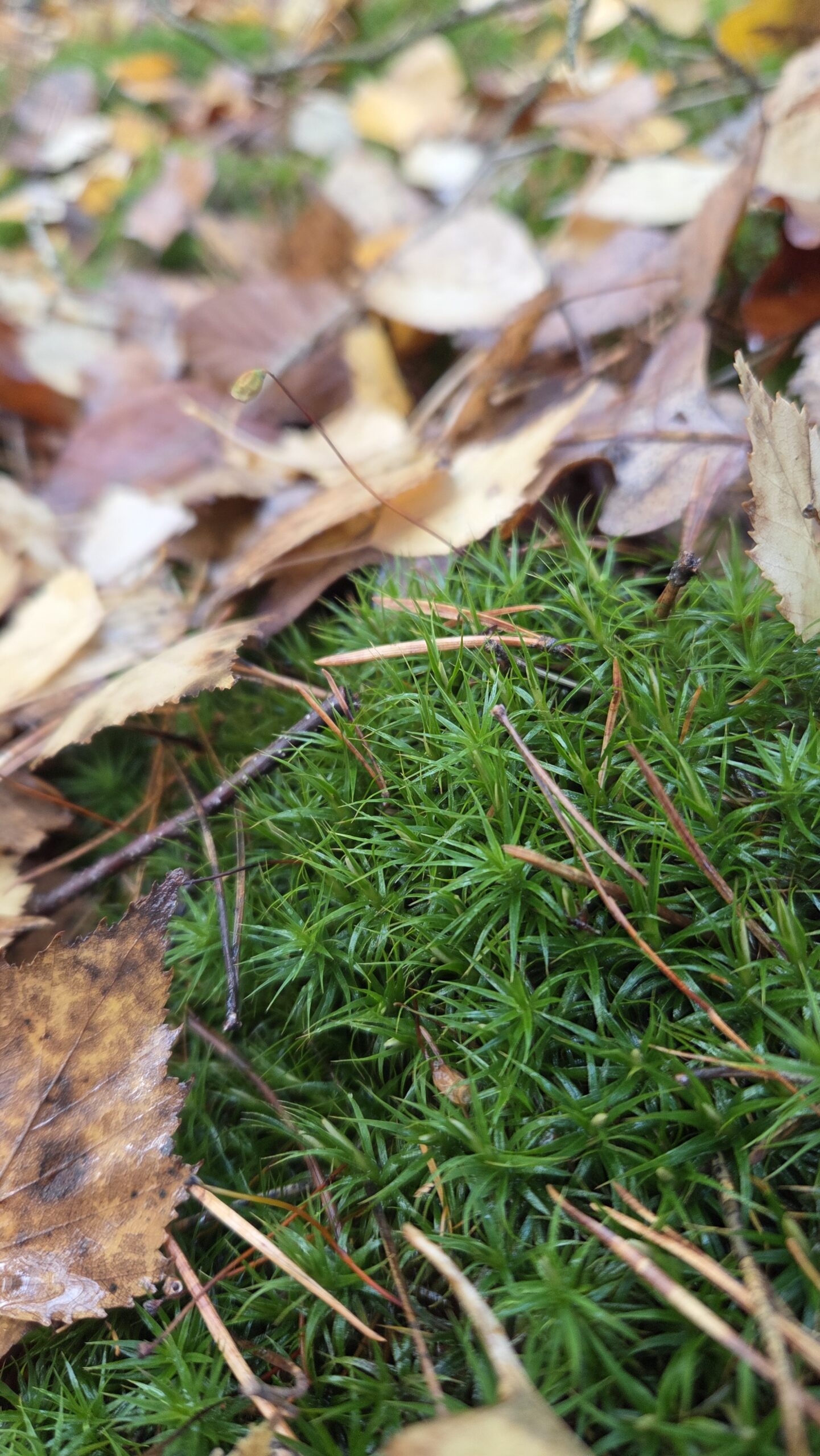
- Sight: Look for the smallest details—the veins in a leaf or the way an insect moves. Look also at the “fractals,” the repeating patterns in branches and ferns.
- Sound: Listen to the layers of noise. There are the distant sounds of the world, but there are also the close-up sounds: the rustle of wind, a bird call, or the sound of your own breath.
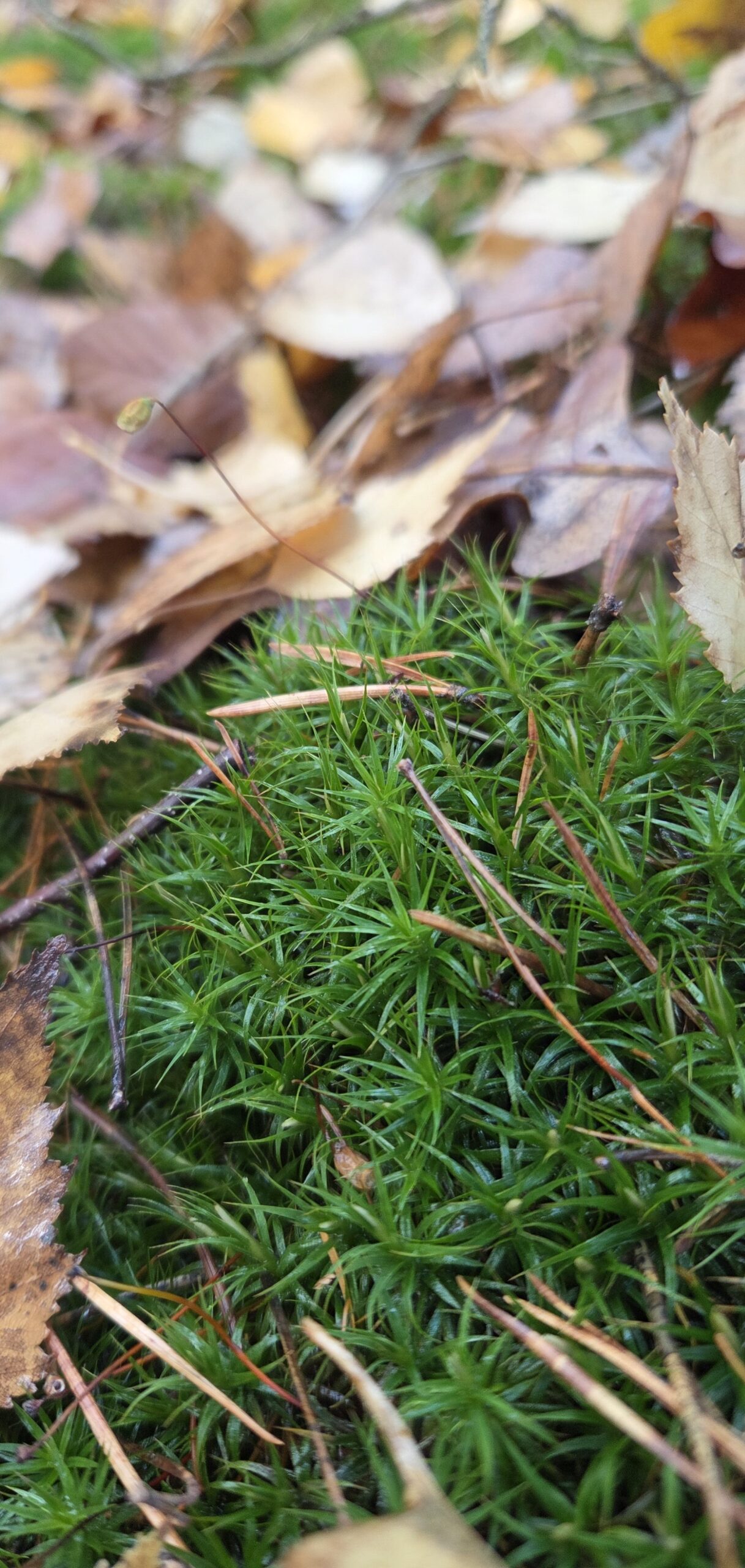
- Touch: Reach out and feel the texture of a rock, the softness of moss, or the roughness of tree bark. Notice the temperature of the air on your face.
- Scent: Breathe deeply. The forest air is rich with the scent of pine, damp soil, or decaying leaves.
- Taste: While we don’t suggest eating anything unfamiliar, you can “taste” the air. Is it crisp? Heavy? Sweet?
4. Find a “Sit Spot”
Choose a place that feels inviting and sit down for ten to twenty minutes. Become part of the landscape. Often, when we sit still, the forest “forgets” we are there, and birds or small animals might move closer.
5. Close the Practice
Before you leave, take a moment to acknowledge the time you spent. Some people like to offer a silent word of thanks to the forest or simply take one final, deep breath before returning to their daily life.
Common Misunderstandings
When people first hear about forest bathing, they often have a few hesitations. Here are some common clarifications:
“I don’t have access to a massive forest.” You don’t need an ancient redwood grove. A small neighborhood park, a botanical garden, or even a quiet green space with a few mature trees is enough. The “forest” is more of a mindset than a specific square footage.
“My mind won’t stop racing.” This is normal. Forest bathing isn’t about clearing your head of all thoughts (which is nearly impossible). It’s about giving your thoughts a different backdrop. When your mind wanders back to your to-do list, gently acknowledge the thought and then return your attention to a sound or a texture.
“I feel like I’m not doing it right.” There is no “right” way to sit in the woods. If you spent thirty minutes outside and felt even slightly more relaxed than when you started, you succeeded. It is a practice, not a performance.
A Moment of Reflection
As you finish reading this, take a look at your surroundings. Notice your breathing. How long has it been since you felt the sun on your skin or heard the wind in the trees?
Forest bathing is an invitation to reclaim your pace. The woods are not asking anything of you. They are simply there, waiting for you to notice them. You don’t need to change who you are or achieve a certain state of Zen. You only need to show up and breathe.
Receiving Guidance
If you find yourself seeking more ways to integrate these moments of calm into a busy life, you might enjoy our quiet reflections and practical tips for nature mindfulness.
If you’d like gentle, step-by-step guidance instead of figuring this out on your own, I’ve created a calm, beginner-friendly Forest Bathing course on Udemy.
It’s designed to help you slow down, reconnect with nature, and build your own forest bathing practice — in a simple, grounded way.
→ Explore the Forest Bathing course
Pinterest Support Section
- What is Forest Bathing? A Simple Guide to Calm.
- How to Practice Shinrin-Yoku for Stress Relief.
- 5 Simple Steps to Start Forest Bathing Today.
- Why Spending Time in Trees Heals Your Mind.
- A Beginner’s Guide to Nature Mindfulness and Calm.