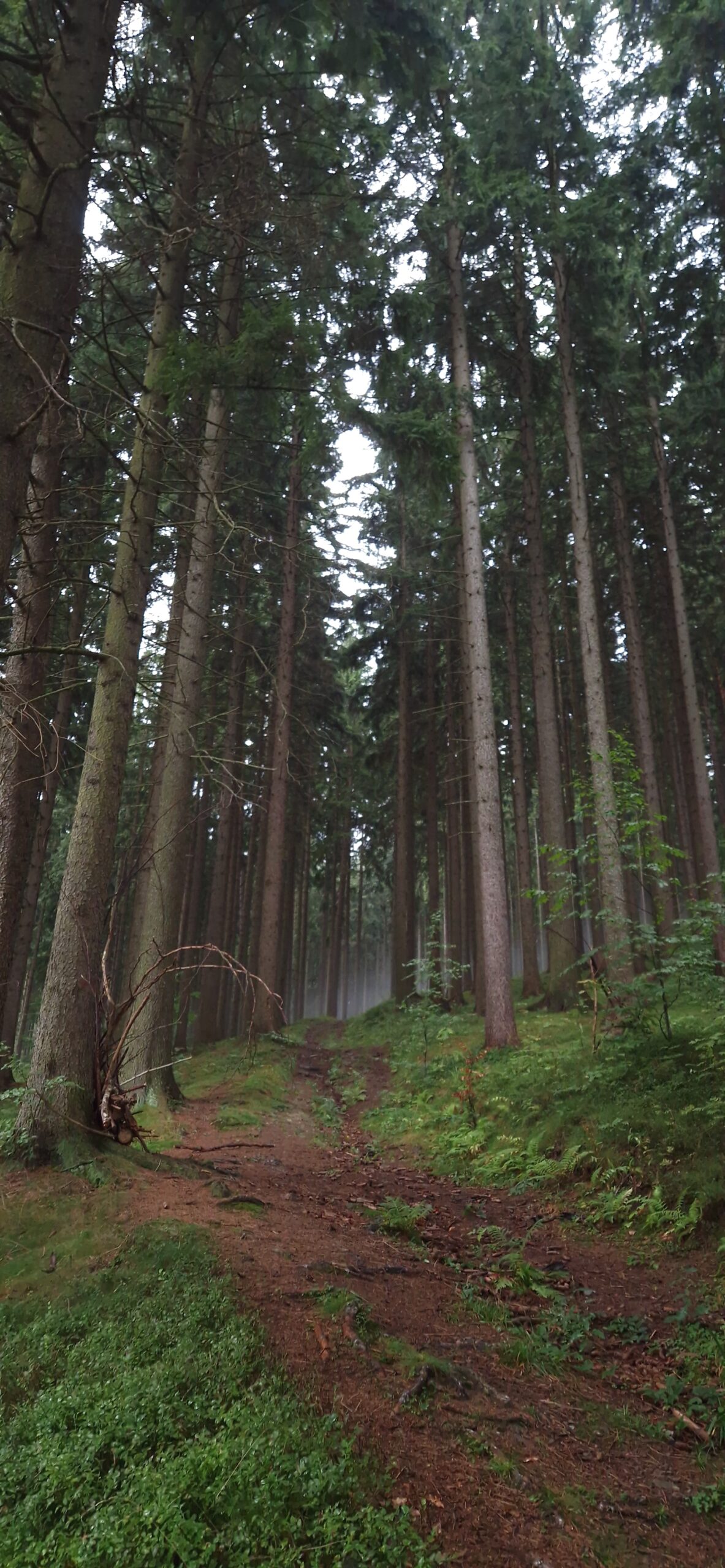
A 10-Minute Nature Grounding Exercise You Can Do Anywhere
1. Your Nervous System Is Always On — Here’s Why
If your attention feels scattered, your thoughts run in parallel, and even short breaks fail to reset you, the problem is rarely motivation or mindset.
It is usually environmental.
Most daily environments maintain constant low-level stimulation:
- screens
- artificial lighting
- dense information
- background noise
- limited sensory variation
This keeps your nervous system in a semi-activated state.
You may sit still.
You may “rest.”
But your system does not fully downshift.
This article describes a short, repeatable exercise that uses natural input to reduce baseline activation—without techniques, beliefs, or mental training.
2. What People Get Wrong About Grounding
What “Grounding” Means Here
In this context, grounding does not mean emotional processing or psychological reassurance.
It means:
placing your nervous system in contact with stabilizing sensory input.
The goal is physiological reorientation.
From:
- abstract
- symbolic
- screen-based
- internally driven
To:
- physical
- spatial
- sensory
- externally supported
This is not a mindset exercise.
It is a sensory regulation protocol.
Why Nature Works for This
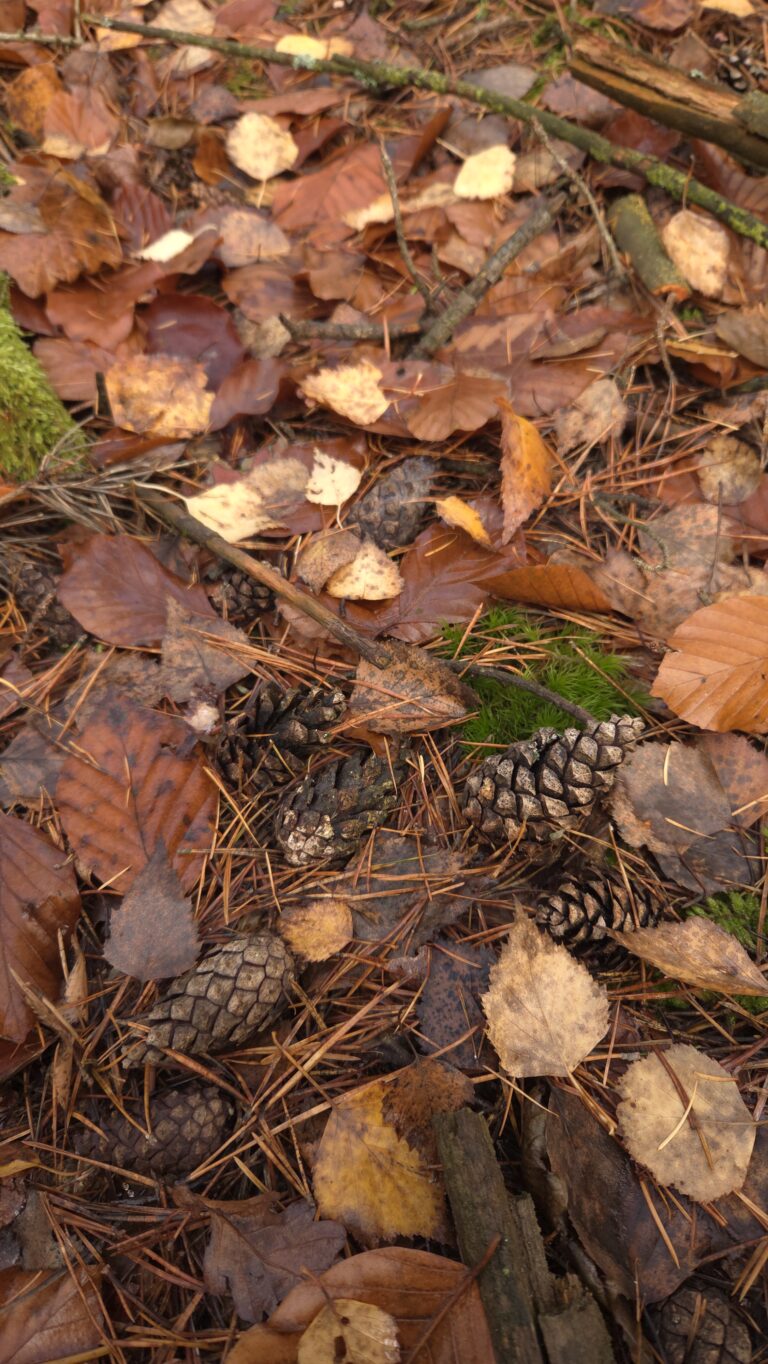
Natural environments tend to provide:
- moderate visual complexity
- irregular but predictable sound
- soft movement
- wide spatial fields
- organic textures
These features reduce constant threat scanning and cognitive load.
Your nervous system recognizes these patterns as low-risk.
It responds by lowering activation.
“Anywhere” Does Not Mean “Ideal”
This exercise works best in full natural settings.
But it can be adapted to:
- parks
- gardens
- courtyards
- tree-lined streets
- balconies
- window views
- small green spaces
You are not seeking perfection.
You are seeking sufficient natural input.
3. Why Short, Low-Input Exposure Works
Bottom-Up Regulation
Most stress-management methods rely on top-down control:
- focusing
- reframing
- redirecting thoughts
- monitoring attention
This uses executive function.
When you are overloaded, executive capacity is already strained.
Nature-based grounding works bottom-up.
It changes:
- visual input
- auditory patterns
- spatial perception
- breathing rhythm
These feed directly into autonomic regulation.
No cognitive mediation required.
Sensory Saturation vs Sensory Balance
Urban and digital environments create imbalance:
- heavy visual density
- repetitive sound
- limited depth
- constant alerts
This keeps your system vigilant.
Natural environments restore balance:
- layered perception
- variable distance
- low-frequency sound
- non-linear patterns
Balance supports parasympathetic activity.
Short Exposure Still Matters
You do not need hours.
Research and field observation suggest that even brief exposures can:
- reduce rumination
- improve attentional recovery
- lower perceived effort
- support faster calming
If repeated consistently.
This is cumulative regulation.
4. The 10-Minute Exercise, Step by Step
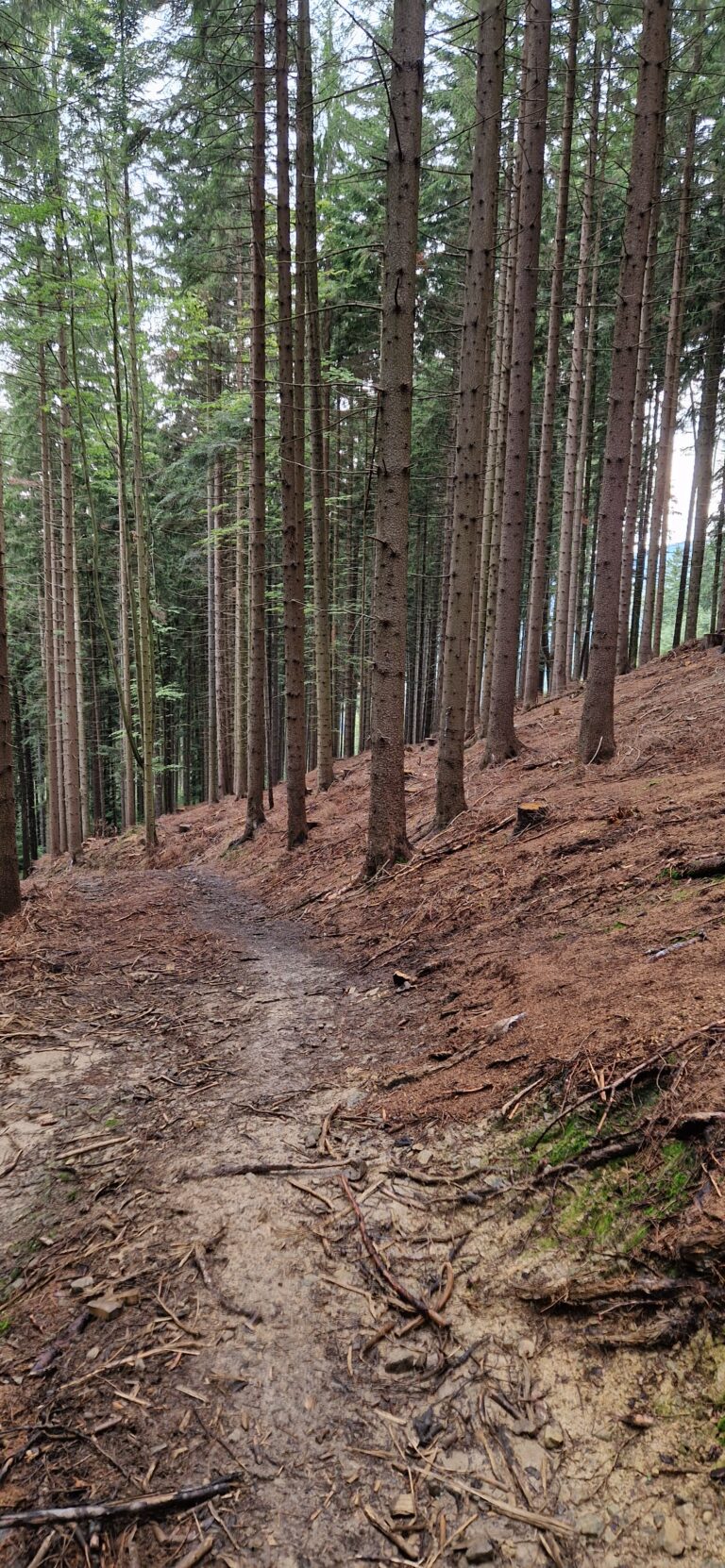
The 10-Minute Nature Grounding Protocol
This exercise requires:
- 10 minutes
- minimal equipment
- no preparation
- no training
Use it between tasks, after work, or during mental overload.
Step 1: Locate Natural Input (1 Minute)
Find the best available option:
- trees
- plants
- sky
- grass
- water
- natural light
Prioritize:
real over digital
near over perfect
If possible, step outside.
If not, position yourself near natural elements.
Step 2: Remove Competing Signals (1 Minute)
Before starting:
- silence phone
- remove headphones
- stop scrolling
- close unnecessary tabs
This is input hygiene.
You are reducing noise so regulation can occur.
Step 3: Adopt a Neutral Posture (1 Minute)
Position:
- standing or seated
- spine upright but relaxed
- shoulders down
- feet stable
No special pose.
Stability improves sensory processing.
Step 4: Open Peripheral Vision (2 Minutes)
Look ahead, not at a single point.
Let your visual field widen.
Notice:
- edges of vision
- movement at periphery
- light gradients
- depth differences
Avoid locking onto details.
Wide vision reduces vigilance.
Step 5: Register Ambient Sound (2 Minutes)
Shift attention to background sound:
- wind
- leaves
- birds
- distant traffic
- footsteps
- water
Do not identify sources.
Do not analyze.
Just receive patterns.
Step 6: Track Physical Contact (2 Minutes)
Notice points of contact:
- feet on ground
- body on bench
- back on wall
- hands on surface
Also note:
- temperature
- airflow
- humidity
This anchors proprioception.
Step 7: Allow Breathing to Adjust (1 Minute)
Do not control breathing.
Observe:
- natural slowing
- deeper exhalation
- reduced chest tension
Breath follows state.
Not the other way around.
Step 8: Exit Gradually (1 Minute)
Before returning:
- look around slowly
- stretch lightly
- resume movement
Avoid immediate screen exposure if possible.
Total Time: 10 Minutes
No extensions required.
No optimization needed.
Repeatability matters more than duration.
5. This Is Not Meditation or Breathwork
“This Is Just Relaxation”
No.
Relaxation is a subjective feeling.
This is a regulatory shift.
You may feel neutral, not “relaxed.”
That is sufficient.
“You Must Be Calm First”
No.
This works during overload.
In fact, it works best then.
“You Have to Concentrate Hard”
No.
Effort reduces effect.
If you are trying, simplify.
“It Only Works in Forests”
No.
Forests are optimal.
But partial input still helps.
Small doses accumulate.
“It’s About Being Present”
No.
Presence is a byproduct.
Not a requirement.
6. State Changes Don’t Require Effort
This exercise works because stable sensory input regulates the nervous system more reliably than mental control.
Change the environment, and the state follows.
7. This Is One Layer of a Larger Framework
This protocol is one component of a broader system I am developing further.
If you’d like gentle, step-by-step guidance instead of figuring this out on your own, I’ve created a calm, beginner-friendly Forest Bathing course on Udemy.
It’s designed to help you slow down, reconnect with nature, and build your own forest bathing practice — in a simple, grounded way.
→ Explore the Forest Bathing course