Forest Bathing vs Mindfulness: What’s the Difference?
1. Why “Being Mindful” Feels Like More Work
If your mind feels constantly “on,” you are not lacking discipline, insight, or emotional awareness.
You are likely dealing with sustained cognitive and sensory overload.
This shows up as:
- persistent mental noise
- difficulty disengaging from work
- shallow recovery after rest
- background tension that never fully resets
Many people in this state try mindfulness. Some benefit. Many do not.
Forest bathing offers a different mechanism. Not a better mindset. A different type of input.
Understanding the difference matters if your goal is physiological calm, not self-improvement.
2. Mindfulness Requires Active Attention
What Mindfulness Usually Means
In most modern contexts, mindfulness refers to:
- directing attention intentionally
- observing thoughts and sensations
- maintaining present-moment awareness
- noticing without reacting
It is primarily an attention-based practice.
You regulate your state by managing where your focus goes.
This requires:
- cognitive effort
- sustained monitoring
- internal self-regulation
It is a top-down process. The brain attempts to calm itself.
What Forest Bathing Actually Is
Forest bathing (from the Japanese term Shinrin-yoku) is different.
It is:
- slow exposure to natural environments
- passive sensory engagement
- minimal cognitive direction
- no mental technique
You do not “practice” anything.
You place your nervous system in an environment that provides stabilizing input.
This is a bottom-up process. The environment regulates you.
Core Difference in One Line
- Mindfulness: regulate your state through attention.
- Forest bathing: regulate your state through environment.
3. Forest Bathing Changes the Input, Not Your Focus
The Nervous System Responds to Input
Your nervous system constantly evaluates:
- light levels
- sound patterns
- spatial complexity
- movement
- air quality
- visual texture
These signals shape whether your body remains in:
- high alert (sympathetic dominance)
- recovery mode (parasympathetic dominance)
Urban and digital environments tend to produce:
- sharp contrasts
- repetitive noise
- artificial lighting
- high informational density
These conditions maintain low-level activation.
Not stress in the dramatic sense. Continuous background activation.
Attention Has a Cost
Mindfulness relies on sustained executive control.
That means:
- monitoring distraction
- redirecting focus
- suppressing mental loops
For already overloaded people, this adds demand.
It can feel like another task.
Forest environments reduce cognitive load automatically:
- fractal visual patterns
- non-threatening movement
- layered natural sound
- wide visual fields
These reduce the need for constant threat monitoring.
The brain stands down without instruction.
Sensory Load vs Sensory Balance
Most modern environments overload some channels and starve others.
Example:
- heavy visual stimulation
- constant auditory alerts
- little depth perception
- minimal tactile variation
Forests offer balanced multisensory input:
- variable light
- soft movement
- irregular sound
- organic textures
This balance supports regulatory stability.
No interpretation required.
4. How the Nervous System Responds Differently
This is not a ritual. It is a repeatable setup.
Step 1: Choose the Right Environment
Look for:
- mixed trees (not just open fields)
- minimal traffic noise
- walkable paths
- no heavy tourism
Size matters less than sensory quality.
A small forested park can work.
Step 2: Set a Time Window
Start with:
- 20–40 minutes
Longer is optional. Consistency matters more.
Do not frame this as “making time.”
Frame it as system maintenance.
Step 3: Remove Performance Elements
Before entering:
- silence notifications
- no podcasts
- no calls
- no tracking apps
You are not optimizing anything.
Step 4: Walk Without Objectives
Your pace should allow:
- comfortable breathing
- peripheral vision
- spontaneous stopping
Do not plan a route.
Let the terrain set speed.
Step 5: Use Passive Sensory Anchors
Rotate attention lightly between:
- light through leaves
- wind movement
- distant sounds
- ground texture
- temperature changes
No analysis. No labeling.
Just register input.
Step 6: Allow Micro-Pauses
When something draws attention:
- stop briefly
- observe for 20–60 seconds
- continue walking
This supports nervous system settling.
Step 7: Exit Without Debriefing
After finishing:
- no journaling
- no reflection
- no evaluation
Return to normal activity.
Let the state carry over.
Frequency Guideline
For regulation effects:
- 2–3 times per week minimum
- ideally in similar environments
- preferably daylight
This is exposure-based. Repetition matters.
5. Why Some People Struggle With Mindfulness
“This Is Just Meditation Outside”
No.
Meditation = intentional mental training.
Forest bathing = environmental regulation.
You can combine them. You do not need to.
“You Have to Feel Peaceful”
No.
The effect is often subtle:
- slower thinking
- reduced urgency
- quieter internal dialogue
- improved sleep latency
It may not feel dramatic.
That is normal.
“You Need Special Knowledge”
No.
The nervous system does not require instruction.
It responds to conditions.
“It Requires Discipline”
No.
If it feels effortful, something is wrong:
- environment unsuitable
- pace too fast
- too many devices
Correct the setup.
“It’s About Beliefs or Attitude”
No.
Skepticism does not block physiological responses.
Your vagus nerve does not check your worldview.
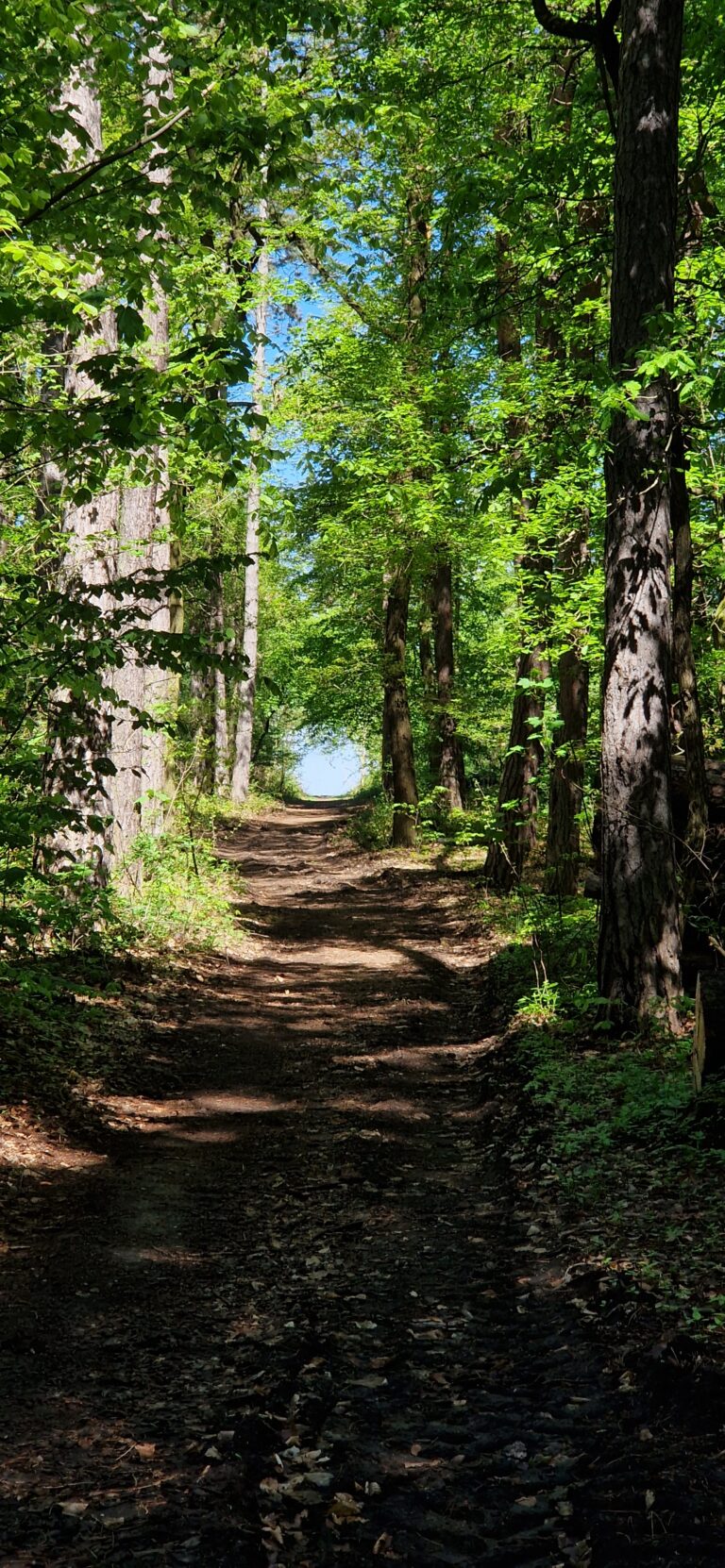
6. Calm Is a State, Not a Skill
Forest bathing works because stable environments regulate the nervous system more reliably than mental effort.
State follows input.
Not intention.
7. Two Approaches, Different Use Cases
This approach is one part of a broader system I am developing further.
If you’d like gentle, step-by-step guidance instead of figuring this out on your own, I’ve created a calm, beginner-friendly Forest Bathing course on Udemy.
It’s designed to help you slow down, reconnect with nature, and build your own forest bathing practice — in a simple, grounded way.
→ Explore the Forest Bathing course