The Benefits of Forest Bathing for Mental Health and Stress Relief
1. A calm, grounding introduction
Many of us move through our days at a pace our nervous system never agreed to. Notifications arrive faster than we can process them. Even rest can start to feel like another task to complete.
If you are feeling mentally overloaded, distracted, or quietly exhausted, you are not alone. This is not a personal failure. It is a natural response to a world that rarely slows down.
Forest bathing offers a different rhythm. Not a solution you need to master, but a gentle way to remember how it feels to be present again. This article explores what forest bathing is, why it supports mental health, and how you can use it in simple, realistic ways in your own life.
2. A clear explanation of the core concept
Forest bathing, also known as shinrin-yoku, is the practice of spending slow, mindful time in a forest or natural environment. The term originated in Japan and translates loosely as “taking in the forest atmosphere.”
Despite the name, forest bathing has nothing to do with water. It is about allowing your senses to engage with nature:
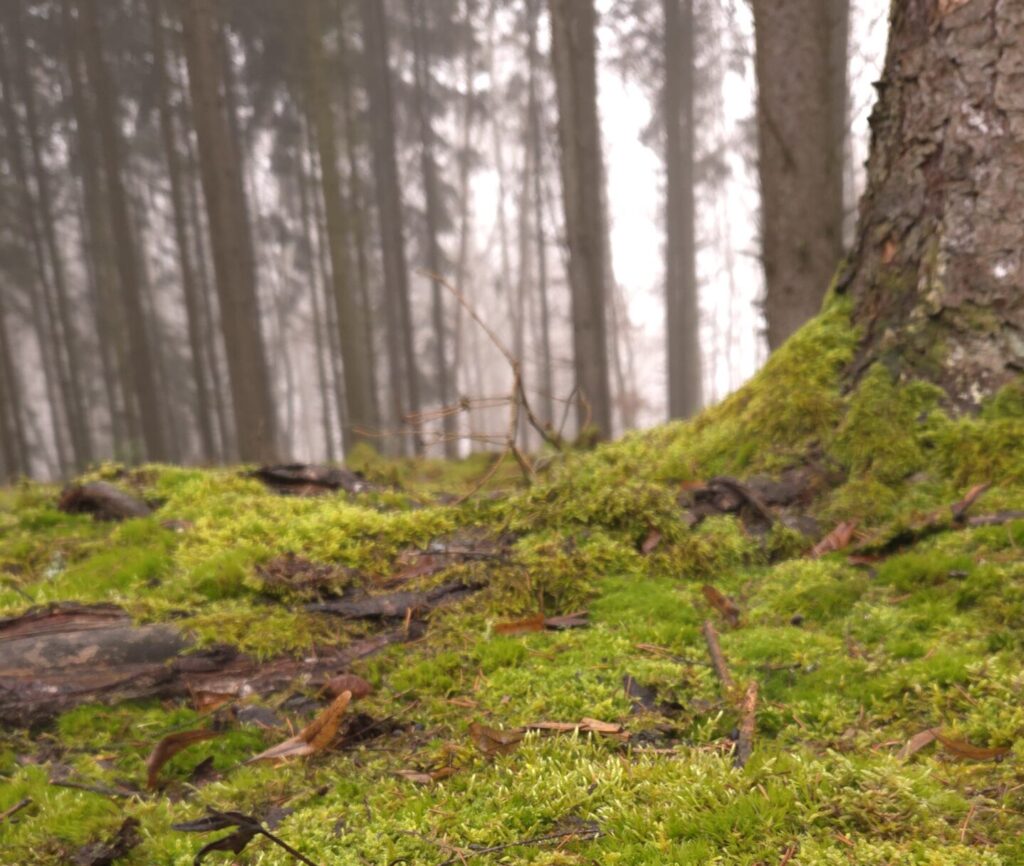
- noticing the texture of bark
- listening to wind in the leaves
- observing light, movement, and sound
- breathing more slowly and fully
There is no goal to reach and no distance to cover. Forest bathing is not hiking, exercising, or sightseeing. It is about being rather than doing.
Research over the past decades has shown that time spent in natural environments can positively affect stress levels, mood, attention, and overall mental wellbeing. These effects are linked to how the nervous system responds to calm sensory input and reduced cognitive demand.
In simple terms: nature gives your mind fewer things to manage, and your body responds accordingly.
3. Why this matters: benefits and relevance
Forest bathing supports mental health not by adding something new, but by removing excess stimulation. Its benefits are subtle, cumulative, and grounded in how humans are wired to respond to natural environments.
Supporting the nervous system
When you slow down in a forest, your nervous system often shifts away from constant alertness. Breathing becomes deeper. Muscle tension softens. This state supports recovery from chronic stress and mental fatigue.
Reducing perceived stress
Regular time in nature is associated with lower feelings of overwhelm. The forest does not demand quick decisions, social performance, or productivity. This absence of pressure can feel deeply relieving.
Improving attention and mental clarity
Natural environments allow the mind to rest from constant focus and multitasking. Many people notice improved clarity, creativity, and the ability to concentrate after spending time in the forest.
Encouraging emotional balance
Forest bathing can help regulate mood by creating space between you and your thoughts. Emotions often feel less intense when you are surrounded by something larger and more stable than your internal dialogue.
These benefits are not dramatic or instant. They are quiet, steady, and realistic. And that is precisely why they last.
4. Practical application: how to use forest bathing in real life
This is the most important part. Forest bathing only works if it fits into your life as it is now.
Below is a simple, accessible way to practice forest bathing without special equipment, training, or ideal conditions.
A simple forest bathing practice (30–60 minutes)
1. Choose a nearby natural space
A forest, wooded park, or quiet green area is ideal. It does not need to be remote or untouched.
2. Leave goals behind
There is no route, distance, or destination. Allow yourself to move slowly or stand still.
3. Engage your senses one at a time
Spend a few minutes with each sense:
- sight: shapes, colors, movement
- hearing: near and distant sounds
- touch: bark, leaves, air on skin
- smell: earth, wood, moisture
4. Walk slower than feels normal
This often feels uncomfortable at first. That discomfort is a sign of how conditioned we are to hurry.
5. Pause often
Let your body decide when to stop. There is no correct rhythm.
6. End gently
Before leaving, take a moment to notice how your body feels compared to when you arrived.
If time is limited
Even 10–15 minutes can help. A single tree, a small park, or a quiet path can be enough if you bring full attention to the experience.
Consistency matters more than duration.
5. Common misunderstandings and gentle clarifications
“I need to feel calm for it to work”
You do not need to arrive calm. Forest bathing meets you where you are. Restlessness, distraction, or skepticism are normal starting points.
“I’m not a nature person”
You do not need to identify as someone who loves the outdoors. Forest bathing does not require enthusiasm, knowledge, or emotional openness. Presence is enough.
“It’s just a walk”
It can look like a walk from the outside, but the internal experience is different. The value comes from how you relate to the environment, not from the movement itself.
6. A soft reflective close
Forest bathing does not ask you to change who you are. It invites you to remember a pace that already exists beneath the noise.
The forest is not impressed by productivity or speed. It offers steadiness, repetition, and quiet attention. When you spend time there, something in you often recognizes that rhythm.
You do not need to make this another habit to optimize. You can simply let it be a place you return to when life feels too full.
7. A gentle next step
If you would like calm, guided support in learning how to practice forest bathing in a deeper and more consistent way, you may enjoy exploring the guided resources and courses offered through Waking Woods. They are designed to meet you gently, wherever you are starting from.
If you’d like gentle, step-by-step guidance instead of figuring this out on your own, I’ve created a calm, beginner-friendly Forest Bathing course on Udemy.
It’s designed to help you slow down, reconnect with nature, and build your own forest bathing practice — in a simple, grounded way.
→ Explore the Forest Bathing course